Buying guide · 4 min read
Buying off-plan in Dubai: escrow, SPA, the 4% DLD fee, Oqood and handover
Buying off-plan in Dubai: escrow account, SPA, the 4% DLD fee, Oqood registration and handover, step by step, and where the EYWA payment schedule fits.
- Published
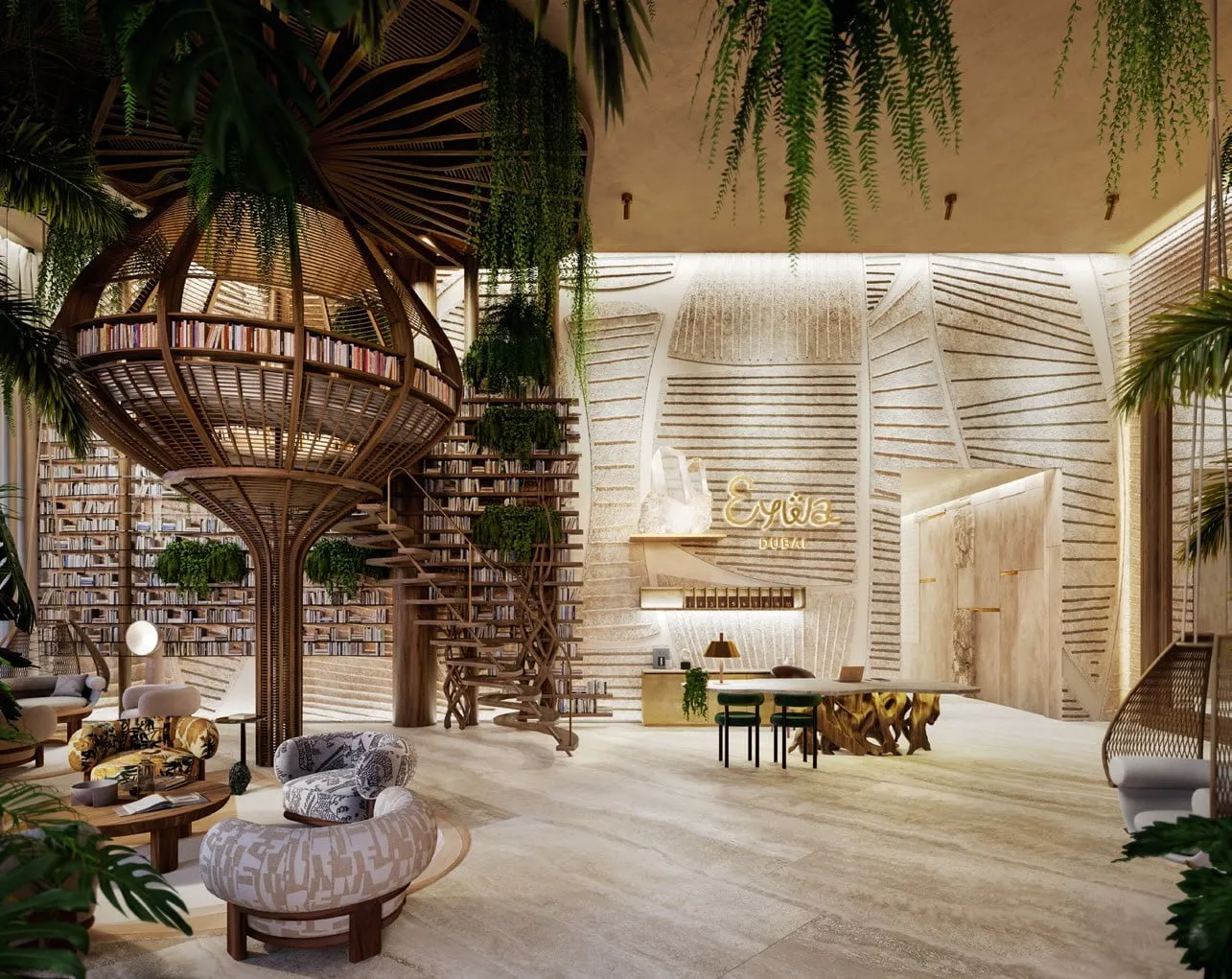
Off-plan buying has a reputation problem that Dubai has spent nearly two decades legislating away. The mechanics are now unusually well defined: money sits in a supervised trust account, the sale is entered in a government register before a single wall is built, and the fee structure is fixed rather than negotiated. What follows is the sequence, and where the EYWA schedule attaches to each step.
Step one: reservation
You choose a unit and sign a reservation or booking form, and pay the booking instalment. At EYWA Tree of Life that instalment is 10% of the price. Nothing is registered yet at this stage — the reservation takes the unit off the availability list while the paperwork is prepared.
Two checks belong here, before money moves. Ask for the project registration number and the escrow account details, and confirm that the account named on the payment instruction is the project escrow account rather than a general company account. This is the single most useful five minutes in the whole process.
Step two: escrow, and why it matters
Dubai’s escrow regime dates from Law No. 8 of 2007 on real estate development trust accounts. A developer selling off-plan must register the project with the regulator and open a dedicated account at an accredited bank for that project alone. Buyer instalments go into that account. The developer does not draw on it at will: withdrawals are released against certified construction progress, and the account is supervised by the Real Estate Regulatory Agency within the Dubai Land Department.
The practical consequence is that your exposure is tied to construction progress rather than to the developer’s general balance sheet. It is not a guarantee of delivery — no escrow regime is — but it converts an act of faith into a monitored process.
Step three: the sale and purchase agreement
The SPA is the contract. It carries the unit number, area, specification, price, payment schedule and completion date. Read the completion date specifically: it is contractual and supersedes any quarter stated in a brochure or dated sales release. Public project dates help with comparison; the signed SPA is the document that binds.
At EYWA Tree of Life the second instalment falls due at SPA signing: 10% of the price plus the 4% Dubai Land Department fee. The full sequence, milestone by milestone, is on the payment plan page.
Step four: the 4% DLD fee and Oqood registration
The Dubai Land Department registration fee is 4% of the purchase price, payable by the buyer. An administrative registration charge applies on top; the amount is confirmed by the developer at the point of registration.
With the fee paid, the sale is entered into the Interim Real Estate Register — the system commonly called Oqood, established by Law No. 13 of 2008 and its amendments. This is the step most buyers underestimate. Registration in the interim register is what makes an off-plan disposition legally effective; an unregistered off-plan sale is exposed in a way a registered one is not. You should receive documentary confirmation of the interim registration, and you should keep it.
Step five: construction instalments
Payments then follow the schedule in the SPA. Tree of Life runs the developer-confirmed 60/40 structure — instalments at 60, 90 and 180 days from SPA, then at 40% and 60% construction completion, with 40% of the price due on completion. For Way of Water, request the current residence-specific schedule from a manager before reserving.
Two things are worth knowing about this phase. Construction-linked milestones are verified rather than self-declared, because they gate the developer’s escrow withdrawals. And if a buyer defaults, Dubai law prescribes a notification procedure through the Land Department and limits what the developer may retain according to how far construction has progressed — it is not a simple forfeiture. The exact treatment for your contract is in the SPA, and it is worth having a lawyer read that clause before signing.
Step six: completion, handover and title
On completion the developer obtains the building completion certificate. You are invited to inspect, raise snagging items, settle the final 40% and any outstanding charges, and take possession. The unit is then registered in your name and the title deed is issued, replacing the interim registration.
Two administrative matters land at the same time: the service charge account opens, and utility connections are set up in your name. Service charges for EYWA are quoted on request rather than published, because the approved budget for the shared facilities is not in the material we work from.
The compressed version of all of this, written for buyers rather than for lawyers, is on the buying guide. For availability and the current schedule for a specific unit, use the enquiry form and we reply in writing.
Developer claims are attributed as such. Figures come from the R·Evolution sales presentations for Tree of Life and Way of Water unless another source is named.
Sources used
Source: EYWA Tree of Life — developer presentation (73 pp.)
Data updated: 2026-08-29
Related articles
Design principles · 4 min read
Who designed EYWA Dubai? Architects behind Tree of Life and Way of Water
EYWA Dubai architects: OAD leads architecture and interiors for Way of Water, with John R Harris & Partners as lead design consultant.
Published:
Read the articleProject update · 3 min read
EYWA Dubai update: construction, five available residences and current terms — August 2026
EYWA Dubai construction update, August 2026: Tree of Life and Way of Water status, five named available residences, exact list prices and handover context.
Published:
Read the article
Market thesis · 4 min read
Wellness real estate: the developer's case for why buyers pay for health
Wellness real estate: R·Evolution's case that a building is an instrument of longevity, how EYWA is priced on it, and what LEED, WELL and WiredScore audit.
Published:
Read the article