Market thesis · 4 min read
Wellness real estate: the developer's case for why buyers pay for health
Wellness real estate: R·Evolution's case that a building is an instrument of longevity, how EYWA is priced on it, and what LEED, WELL and WiredScore audit.
- Published
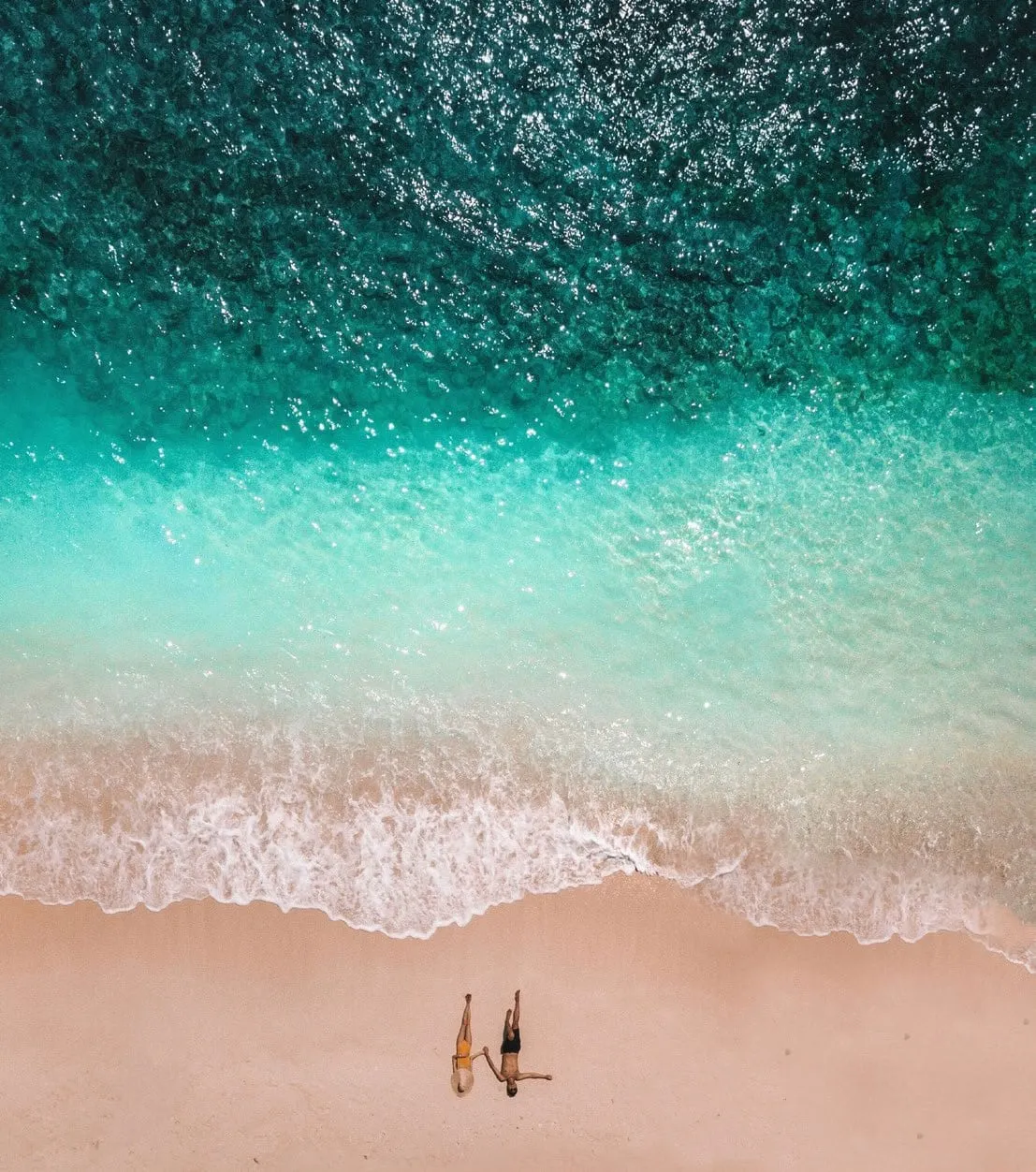
Every luxury development claims to improve your life. EYWA makes a narrower and more testable claim: that the building itself is an instrument of health, and that this is worth paying for. That argument is the developer’s, not ours, and this article treats it as such — laying it out properly, then separating the parts an outside referee can check from the parts that remain a matter of belief.
The developer’s framing
R·Evolution organises its pitch around five generations of real estate. The third generation, in this telling, is the age of electricity, mass-produced materials and consumption, which produced toxic indoor environments and disconnection from nature. The fifth generation — where the company places EYWA — is regenerative architecture in which buildings behave as living ecosystems that promote human wellbeing.
That framing carries through into how the project is described internally: architecture as a carrier of health rather than a container for it, neuroarchitecture and biophilia deciding layouts, ancient knowledge in the form of Vastu Shastra, Ayurveda and yoga treated as design inputs, and technology positioned as an amplifier of that knowledge rather than a substitute. The company’s own summary of the proposition is “wellth” — wellness and wealth in one word. Its background, from 1999 through more than 2,500,000 sq ft delivered, is on the developer page.
Where the claim becomes auditable
Marketing about wellbeing is usually unfalsifiable. What makes this case unusual is that the developer attaches it to three independent certification frameworks, all of which are run by outside bodies with published criteria and an audit process.
LEED, administered by the US Green Building Council, rates a building’s environmental performance: energy, water, materials, site and indoor environmental quality. WELL, administered by the International WELL Building Institute, rates the building against its effect on the people inside it, across concepts including air, water, nourishment, light, movement, thermal comfort, sound, materials, mind and community. WiredScore rates digital connectivity and the resilience of the infrastructure behind it. The signed project brief records Tree of Life at Platinum level across all three; Way of Water’s official presentation states those levels as certification targets.
This matters more than the wording of any brochure. A Platinum WELL target commits a developer to measured outcomes in areas — air quality, water quality, acoustics, light — where a buyer would otherwise have no way to test a claim. It is the difference between a promise and a specification.
What the specification actually contains
The systems behind those targets are described concretely across both presentations, and they are the substance of the price argument. Air is handled with MERV 14 filtration plus ionisation, with natural ventilation retained, a robotic ventilation cleaning system and a VLED air purification system. Water runs through a centralised treatment chain that ends at pH 7–8 for drinking and pH 6–6.5 for domestic use. Materials are specified as non-toxic and radiation-free, with mould and fungi protection built into the structure. Acoustic systems in the club house, spa, main hall and gym are tuned to 432 Hz. The envelope carries EMF protection.
Then there is the service layer, which is where the longevity argument stops being about hardware. The health and longevity concierge is a set of fifteen coordination services: wellness planning, nutritional consultations, certified trainers, comprehensive health assessments, sleep optimisation referrals, preventive screenings, integrative medicine referrals. The wellness technology page details the engineering; the club and rituals programme covers the rest.
What we will not tell you
We will not quote a wellness premium. There is a body of research on the effects of indoor air quality, daylight and acoustics on cognition and sleep, and there is a commercial literature on green-certified buildings and rents. Neither of those bodies of work produces a number that can honestly be applied to two towers of 52 and 65 residences with a crystal pyramid in the structure and a Vastu pyramid in each floor slab. There is no comparable stock. Any percentage printed here would be decoration.
So the argument reduces to something a buyer can actually decide. If you believe air, water, light, acoustics and non-toxic materials measurably affect how you feel over a decade, the specification is unusually complete and third-party audited, and the price includes engineering most developments do not attempt. If you do not, you are paying for amenities and finish quality, and should judge it on those terms alone. Either way, the numbers we hold are on the investment page, with a source under every table.
Developer claims are attributed as such. Figures come from the R·Evolution sales presentations for Tree of Life and Way of Water unless another source is named.
Sources used
Source: EYWA Tree of Life — developer presentation (73 pp.) ; EYWA Way of Water — developer presentation (109 pp.)
Data updated: 2026-08-29
Related articles
Design principles · 4 min read
Who designed EYWA Dubai? Architects behind Tree of Life and Way of Water
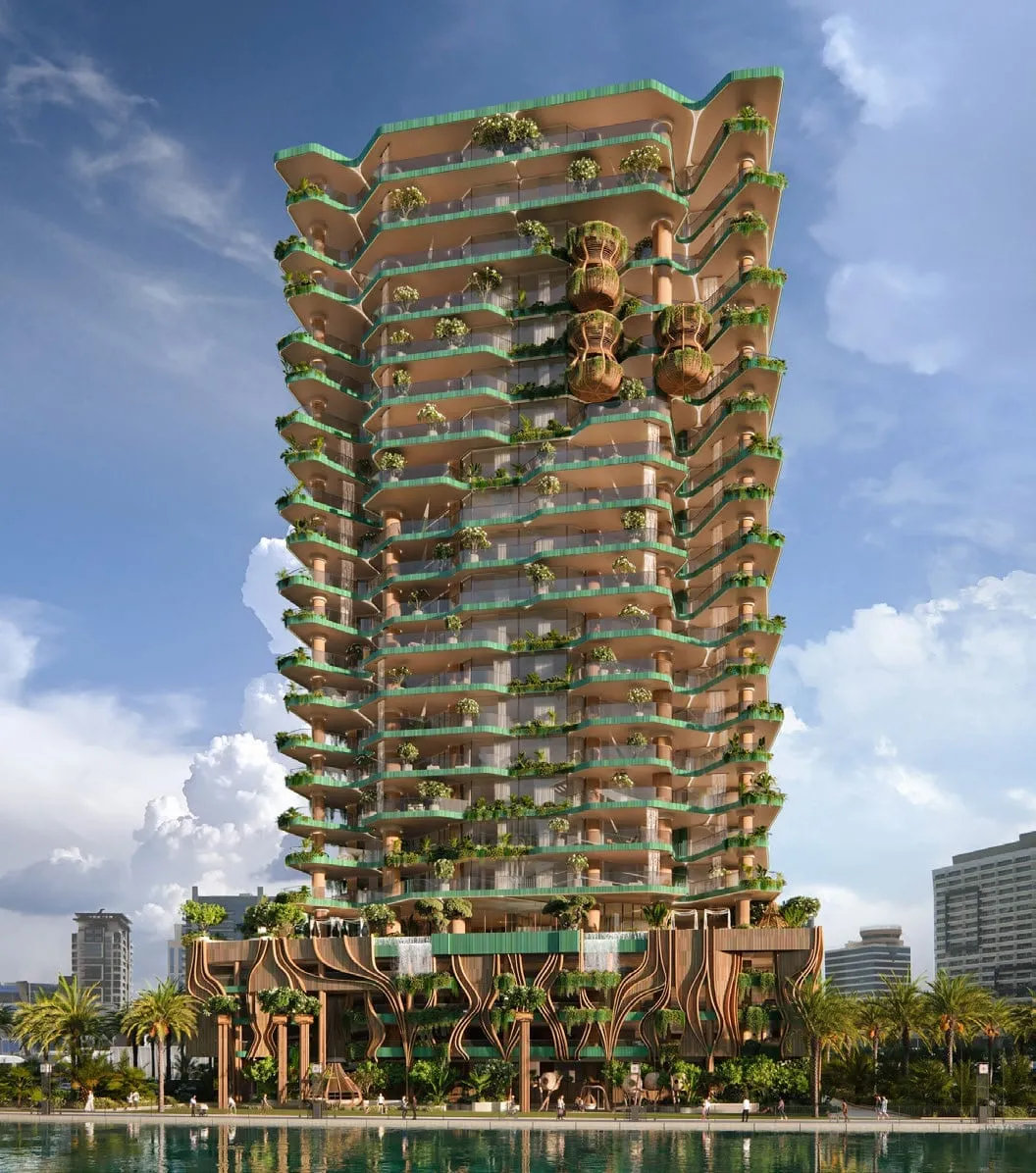
EYWA Dubai architects: OAD leads architecture and interiors for Way of Water, with John R Harris & Partners as lead design consultant.
Published:
Read the articleProject update · 3 min read
EYWA Dubai update: construction, five available residences and current terms — August 2026
EYWA Dubai construction update, August 2026: Tree of Life and Way of Water status, five named available residences, exact list prices and handover context.
Published:
Read the article
Buying guide · 4 min read
Buying off-plan in Dubai: escrow, SPA, the 4% DLD fee, Oqood and handover
Buying off-plan in Dubai: escrow account, SPA, the 4% DLD fee, Oqood registration and handover, step by step, and where the EYWA payment schedule fits.
Published:
Read the article